The theory of the ten Sen lines: The main energy pathways of the body
Traditional Thai medicine assumes that the body is intersected by invisible Sen lines of energy, ten of which are emphasized in Thai massage.
The foundation of this theory can be found in yoga philosophy. According to it, we absorb vital energy (prana) both through breathing and eating. Our body then receives this vital energy through a network of energy lines, the so-called “prana nadis”. These invisible and anatomically undetectable energy lines form a sort of invisible “second skin” or “second body”, an energetic body, around the physical body of a human being, which is said to consist of 72,000 prana nadis.
Energy blockages or inadequate prana supplies disturb the energy balance and can lead to diseases. Thai massage works with the ten Sen energy lines – in Chinese medicine these energy lines are called meridians, which contain important acupressure points. The acupressure points act as windows, through which an exchange of cosmic energy can take place and thus an overall balance with the energy of the universe can be maintained.
Traditionally, working with the Sen energy lines through massage is understood in Thai Massage as a way to support the free flow of life energy (Prana) and encourage energetic balance throughout the body. Through targeted pressure techniques applied along the Sen lines, relaxation, body awareness, and overall well-being may be positively supported.
Those who are already familiar with the meridians of Traditional Chinese Medicine or the system of Prana Nadis in Yoga will recognize many similarities. The Sen lines are believed to connect with all of the major chakras, the primary energy centers described in the yogic tradition.
Whichever system of energy pathways you choose to explore for your personal well-being or professional practice, these traditions are rooted in knowledge and experience passed down through generations. To this day, they continue to play an important role in various traditional approaches to health, balance, and holistic well-being.
Sen Energy Lines
In traditional Thai Massage, each Sen line is associated with specific areas of the body and functional systems. The following descriptions are based on traditional teachings and are provided solely for informational purposes regarding the historical practice of Thai Massage (Nuad Thai).
According to traditional understanding, these subtle energy pathways, known as Sen lines, play a central role in the philosophy of Thai Massage. They share similarities with the meridians of Traditional Chinese Medicine and the nadis of the yogic tradition. It is believed that a harmonious flow of energy along the Sen lines may support inner balance, relaxation, and overall well-being. Traditionally, they are also associated with a sense of harmony, vitality, and greater body awareness.
Traditional Associations of the Sen Energy Lines
The following associations are derived from the classical teachings of traditional Thai Massage and are intended solely to describe historical and traditional concepts. They do not constitute medical diagnoses, treatments, or health claims.
1. SEN SUMANA:
Start two fingers above the navel, at the solar plexus, travel upwards along the chest to the throat, and end at the tip of the tongue.
Sen Sumana is the body’s central energy channel and is closely related to the Sushumna Nadi of the Indian Ayurvedic tradition. It also bears similarities to the Ren Mai meridian of Traditional Chinese Medicine, which is also known as the Conception Vessel or functional energy line.
In the Indian tradition, this energy line runs through the seven main energy and consciousness centres of the body, known as chakras. In both Thai and Taoist traditions, it is believed that a balanced flow of energy through Sen Sumana supports the functions of the digestive and respiratory systems, promotes a sense of relaxation and inner balance, and can help to reduce stress and inner restlessness.
Furthermore, it is believed that it can help release physical and emotional tension whilst promoting energy, vitality and general well-being.
2. SEN ITTHA:
Start one and a half finger-widths to the left of your navel. Move down towards the groin, along the inner thigh to the knee, go round it and move up the outer thigh. Travel upwards along the left side of the spine to the neck, follow the path to the crown of the head and move down across the forehead to the left nostril.
This energy line is traditionally associated with a feeling of lightness and vitality in the legs.
3. SEN PINGKHALA:
This corresponds to Sen Ittha. Start at the same point as Sen Ittha, but to the right of the navel, and follow the same path until you reach the right nostril.
4. SEN KALATHARI:
It begins one finger’s width above the navel and branches into two pathways: an ascending pathway that leads to the chest, then to the armpits, and down the arms to the fingertips; and a descending pathway that leads to the groin, runs along the inner thighs, down the legs, and ends at the toes.
This energy line is traditionally associated with a sense of harmony and well-being in the area of digestion and the gastrointestinal system. It can strengthen body awareness, particularly in the arms and legs, and help to promote inner balance during seasonal changes, stress and mental tension
5. SEN SAHATSARANGSI:
Start two and a half fingers’ width to the left of the navel. It runs downwards along the inner thighs, down the centre of the leg, encircling the ankle, down to the base of the toes, encircling them on the outside, and rises behind the ankle up the outer leg and thigh to reach the hip, encircling the lower back, rising up the chest to the neck and face, and ending below the left eye.
This energy line is traditionally associated with well-being in the areas of the teeth, throat, eyes, chest and digestion. Furthermore, it is said to contribute to a harmonious physical sensation in the legs and joints and to promote general energetic balance.
6. SEN THAWARI:
Start at the same point as Sen Sahatsarangsi, but to the right of the navel, and follow the same path until you reach the area below the eye.
7. SEN LAWUSANG:
Start three and a half finger-widths to the left of the navel, and move upwards along the chest to the left side of the neck and face, ending at the tip of the ear.
This energy line is traditionally associated with inner balance and well-being. It can help to promote a sense of equilibrium, reduce stress and mental tension, and support well-being in the chest area and the natural functions of the digestive system.
8. SEN ULANGKA:
Start at the same point as for 7, Sen Lawusang, but on the right-hand side, and follow the same path until you reach the right ear.
9. SEN NANTHAKRAWAT:
It begins one and a half fingers below the navel and splits into two branches: Sen Sikinee: it descends towards the urethra and ends at the urinary tract. Sen Sukumang: it descends along the rectum and ends at the anus.
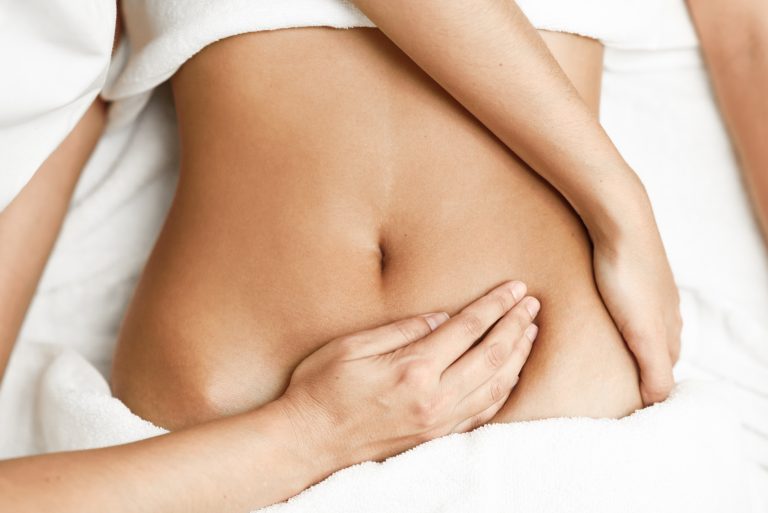
This energy line is traditionally activated via the Sen Nanthakrawat through gentle abdominal massage. It is associated with a sense of well-being in the abdominal area, the harmonious balance of the reproductive system, and a feeling of physical equilibrium and inner well-being.
10. SEN KHITCHANNA:
It is generally worked with abdominal massage. They are the same indications as Sen Nanthakrawat.
This energy line originates in a similar area to the Sen Nanthakrawat and runs towards the pelvic and reproductive regions. In traditional Thai and Taoist teachings, it is associated with a harmonious flow of energy, vitality and a sense of well-being in the lower abdomen.
To activate this line in the traditional manner, Thai wellness and Thai massage employ gentle techniques on the abdominal area. The focus is on promoting balance, body awareness and inner well-being
Important Notice:
The traditional Thai massage (Nuad Thai) treatments described here and offered in my studio are provided exclusively for wellness and relaxation purposes. They are intended to promote general well-being and relaxation.
My treatments are not a form of medical therapy, do not include any claims of healing or cure, and are not a substitute for medical diagnosis, medical treatment, or consultation with a physician or qualified healthcare practitioner in the case of existing health concerns or medical conditions.